

BKM Agro
100.8 kW solar for a rice shelling facility in Bhatinda.
- Commercial
- Rooftop solar
- Jaito, Bhatinda
- Rice shelling
- 100.8 kW
- Installed capacity
- 12,096 units
- Avg. monthly generation
- ₹1.98L
- Est. monthly energy value
- 24 months
- Simple payback
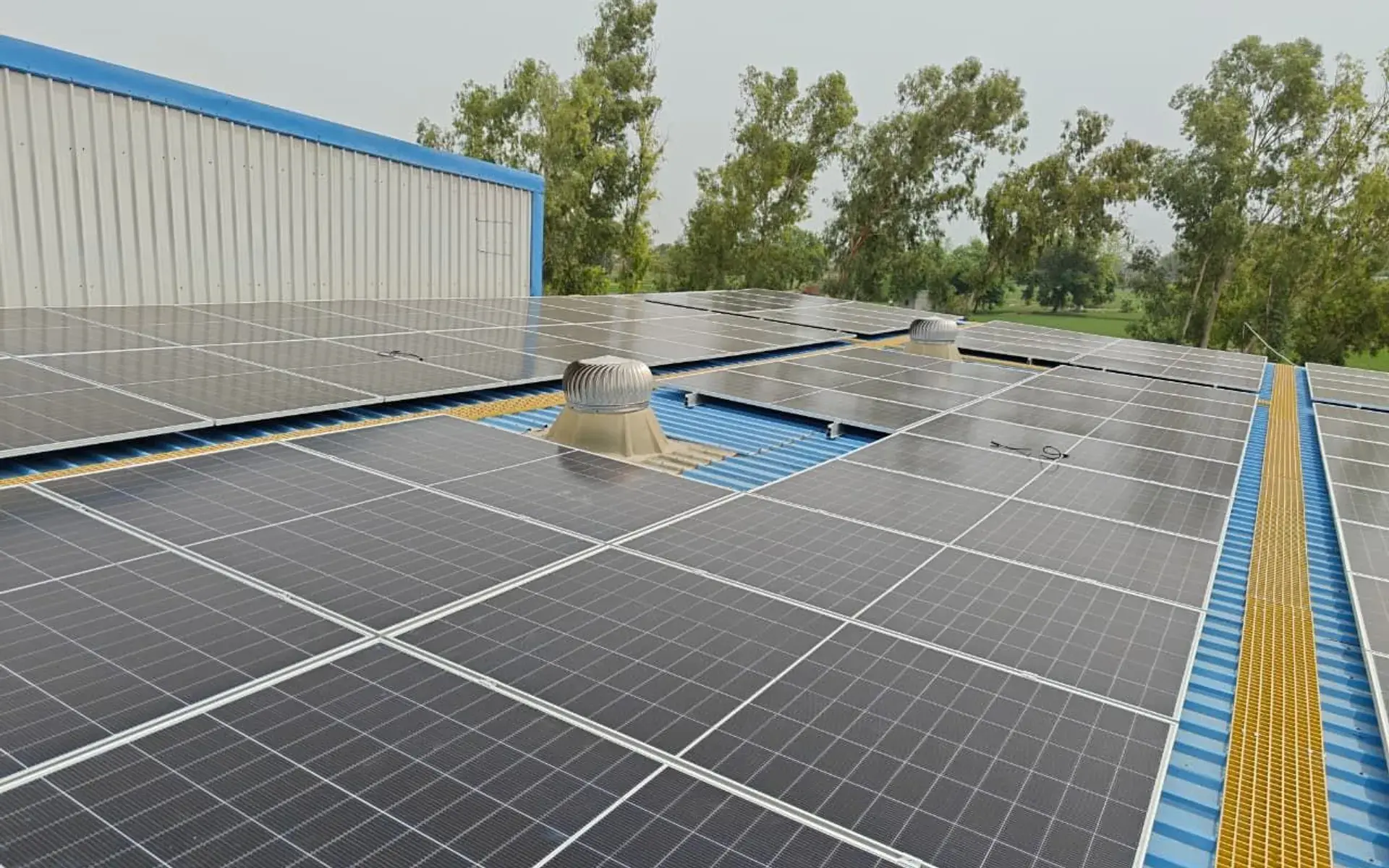
A rice shelling business based in Jaito, Bhatinda.
BKM Agro operates a commercial rice shelling facility in Jaito, Bhatinda, Punjab. With a large tin-shed rooftop and a significant electricity requirement associated with its operations, the facility presented a strong opportunity for rooftop solar.
Electricity was a significant recurring operating cost.
Before solar, BKM Agro recorded approximately 3,612 units of monthly electricity consumption, with an average monthly electricity bill of around ₹59,225.
For an energy-intensive agricultural processing operation, electricity is an important part of operating costs. The large tin-shed rooftop provided an opportunity to generate power on-site and reduce dependence on grid electricity.
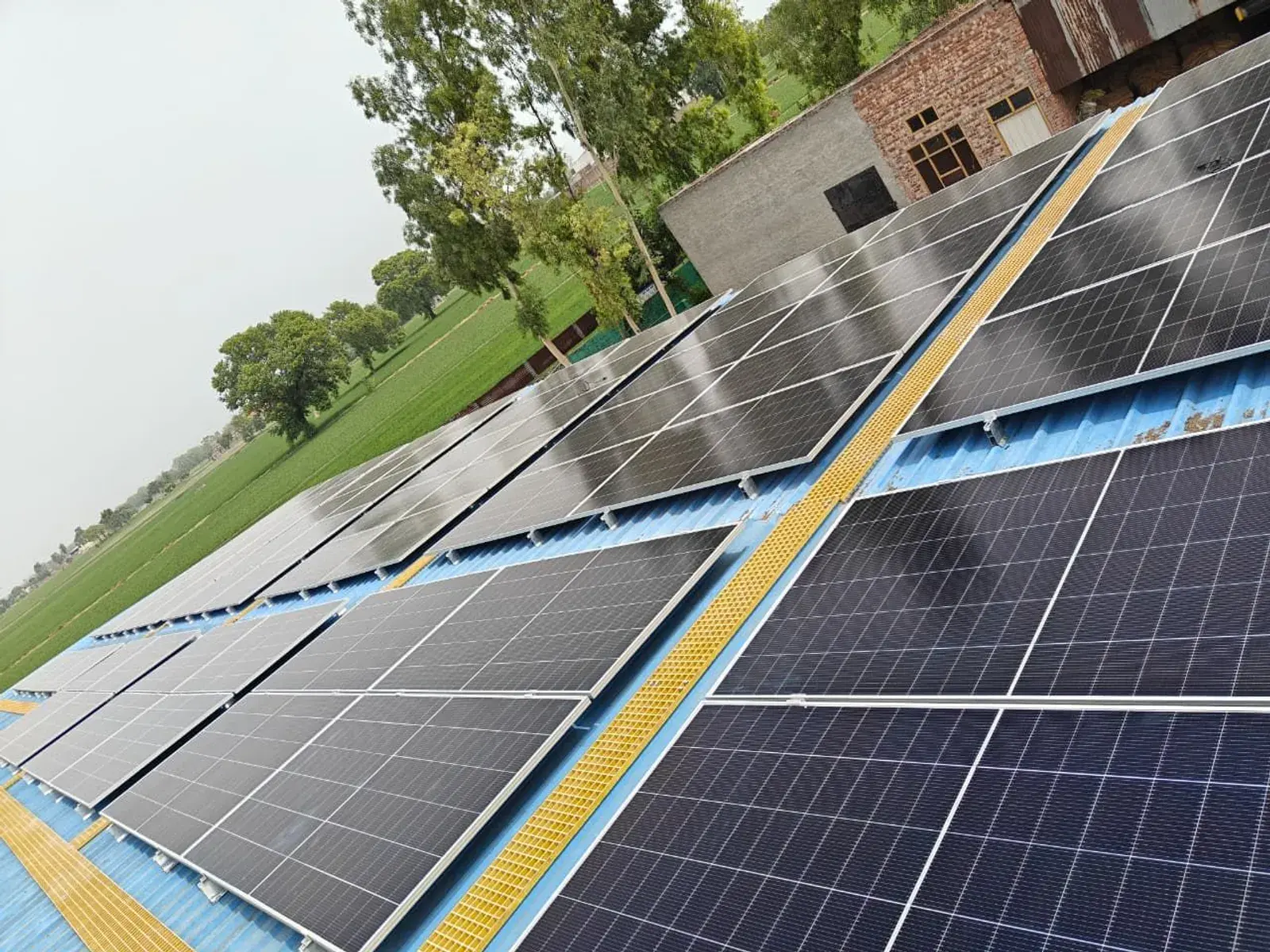
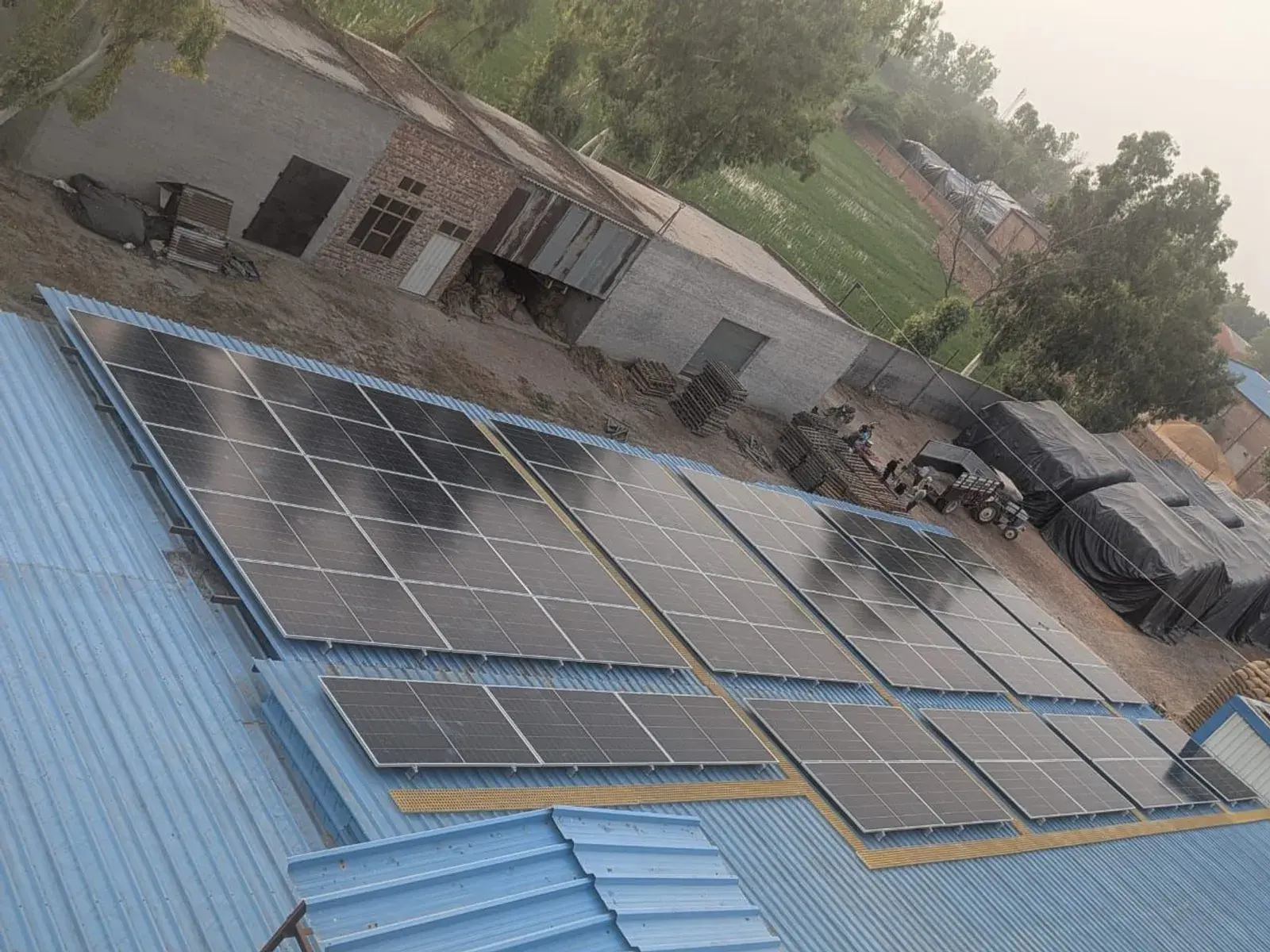
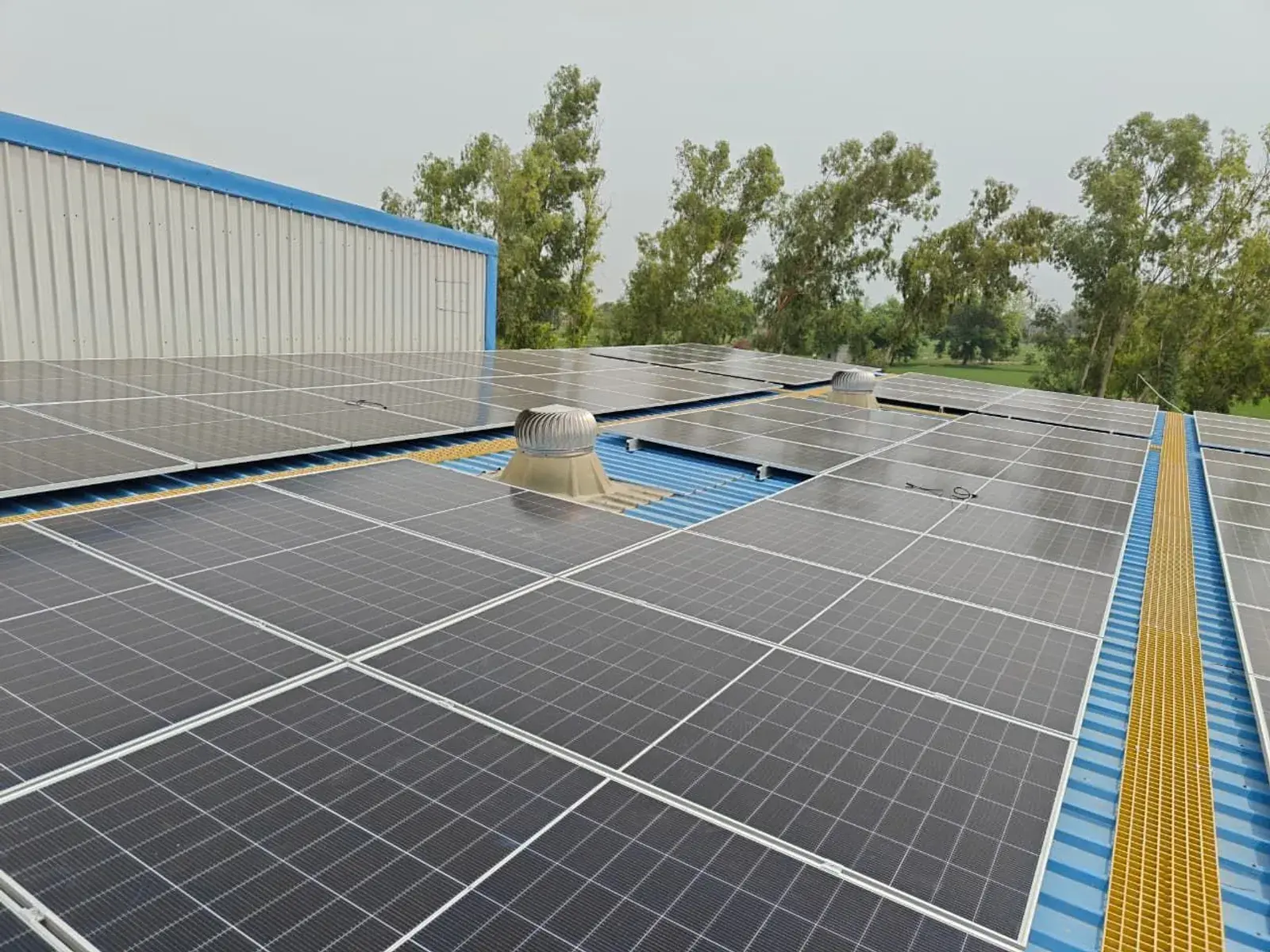
A 100.8 kW rooftop solar system installed on the tin shed.
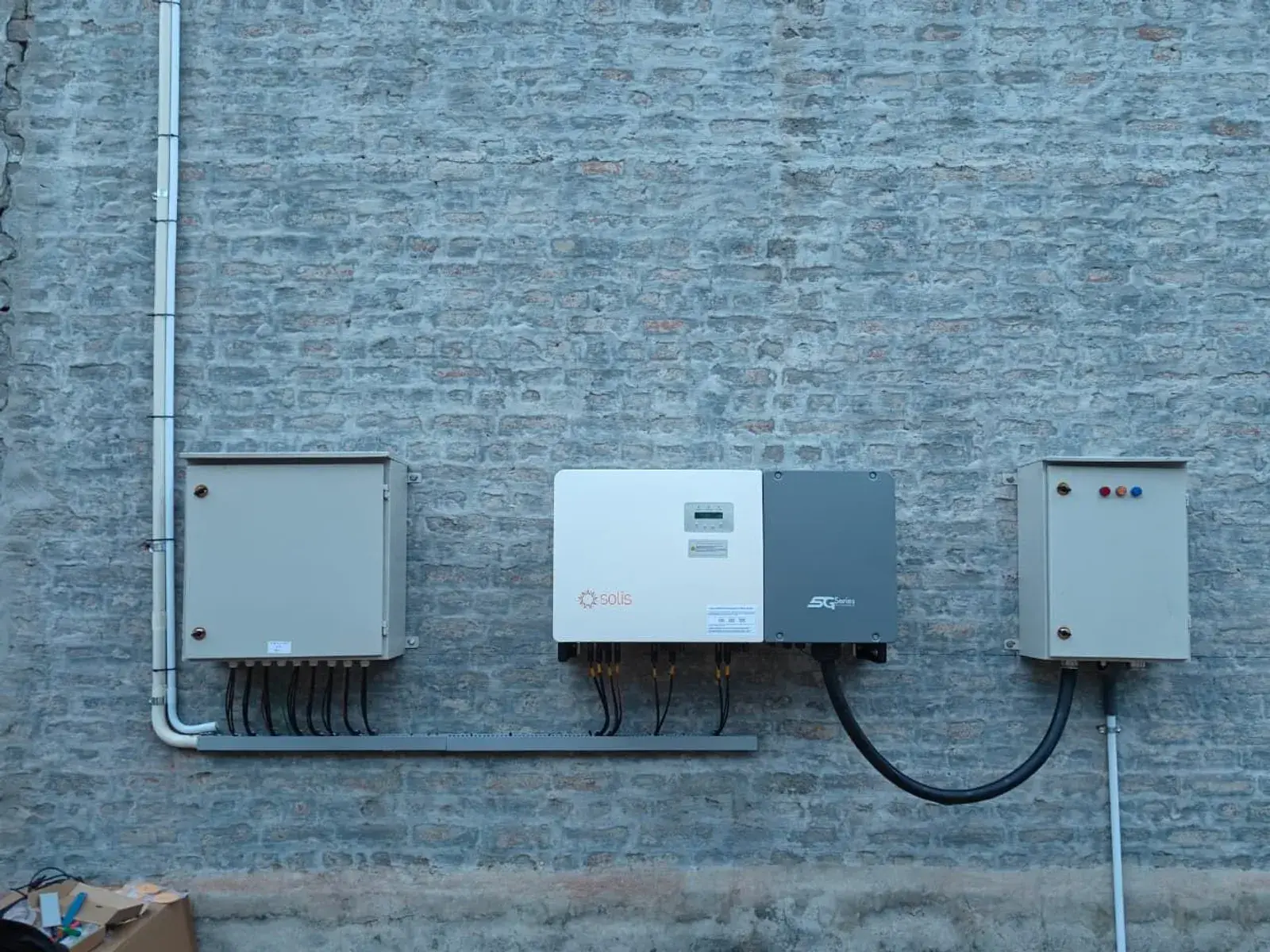
Powermore designed and installed a 100.8 kW rooftop solar system at BKM Agro, using Avaada TOPCon modules paired with a three-phase Solis solar inverter.
- Modules
- Avaada TOPCon NON-DCR 720 Wp
- Inverter
- Solis 80 kW Three-Phase PV Solar Inverter
- Location
- Jaito, Bhatinda, Punjab
- Roof type
- Tin shed
- Average monthly generation
- 12,096 units
- Sanctioned load
- 209.9 kVA
- 01Generate
N-Type TOPCon modules on the tin shed roof
- 02Convert
Solis 80 kW Three-Phase PV Solar Inverter
- 03Self-consume
Site load is served first, behind the meter
- 04Save
₹1.98L estimated energy value every month
12,096 units of solar generation every month.
At the pre-solar effective cost of approximately ₹16.40/unit, the solar generation represents an estimated energy value of about ₹1.98 lakh a month, or around ₹23.82 lakh a year, subject to the site's actual self-consumption and applicable grid or export arrangement.
Energy value is estimated using average monthly solar generation and the effective pre-solar electricity rate derived from the supplied bill and consumption.
The numbers behind the installation.
With an estimated 24-month payback period, the project is designed to convert a large commercial rooftop into a long-term source of energy generation and cost reduction.
- Average monthly generation: 12,096 units
- Pre-solar effective electricity rate: ₹16.40/unit
- Estimated monthly energy value: ₹1.98 lakh
- Estimated annual energy value: ₹23.82 lakh
What the numbers actually show.
- 01Scale matters in energy-intensive operations.
With 100.8 kW of installed solar capacity, BKM Agro has converted a substantial tin-shed rooftop into a dedicated energy-generating system.
- 02Solar can create significant energy value.
At the supplied generation level of approximately 12,096 units per month, the system represents substantial potential electricity cost offset.
- 03The project targets a two-year payback.
With an approximate 24-month payback period, the solar installation is positioned as a significant long-term investment in controlling energy costs.
Before solar, and with solar.
| Metric | Before solar | With solar |
|---|---|---|
| Monthly electricity consumption | 3,612 units | Solar generation of 12,096 units/month |
| Monthly electricity bill | ₹59,225 | Reduced through solar offset |
| Effective electricity rate | ₹16.40/unit | Used for estimated energy value |
| Estimated monthly energy value | N/A | ₹1.98L |
| Estimated annual energy value | N/A | ₹23.82L |
| Payback | N/A | 24 months |
Energy value is estimated using average monthly solar generation and the effective pre-solar electricity rate derived from the supplied bill and consumption. Actual bill savings may vary based on self-consumption, fixed and demand charges, tariff structure, seasonal operations, and applicable grid, net-metering or export arrangements.
The installation in photos.
Powering energy-intensive businesses with smarter solar.
For businesses where electricity is a major operating expense, solar isn't simply about putting panels on a roof. It's about designing a system that turns available space into long-term energy generation and brings greater control over one of the business's recurring costs.